

Ed-tech for language learning is technology built to help people learn a new language: apps, AI tutors, video lessons, flashcard systems, tutoring platforms, and classroom software. The best of it works because it does three things a textbook alone can’t. It gives you feedback right away, it adapts practice to what you actually get wrong, and it fits into the short gaps in a normal day. The worst of it is a game dressed up as a course. It keeps you tapping, but it never gets you speaking.
That difference is the whole story. If you’re picking a tool, the question isn’t which one is most popular. It’s which one moves you from recognizing words to actually using them — in conversation, in writing, at work, on a trip. This guide walks through how language learning really works, what each type of tool does well, where the limits are, and how to pick one that matches your goals, your level, and the time you actually have.
Keep one idea in mind as you read. No app teaches you a language on its own. You learn a language by using it, repeatedly, in ways that stretch you just a little past what’s comfortable. Good technology makes that practice easier to start, easier to repeat, and easier to correct. The rest is up to you.
How Language Learning Actually Works
Learning a language comes down to four skills: listening, speaking, reading, and writing. Most people are uneven across them. You might read menus fine but freeze when someone asks you a question. Or you might hold a basic conversation but struggle to write an email. That’s normal. Each skill grows through different kinds of practice, and that’s why a single tool rarely covers everything.
Two ideas from language research are worth knowing, because they explain why some tools help and others don’t. The first is spaced repetition: you remember words better when you review them at increasing intervals — after a day, then a few days, then a week — rather than cramming them all at once. The second is comprehensible input: you pick up language fastest when you understand most of what you hear or read, with just enough new material to stretch you. If everything is too easy, you coast. If everything is too hard, you tune out.
Speaking deserves special mention because it’s where most learners stall. Reading and listening feel productive, but they don’t force you to produce language. Speaking does. It exposes the gaps in your vocabulary and grammar in a way nothing else can. Any learning plan that skips speaking will leave you able to understand far more than you can say. That’s a common frustration, and it’s fixable — but only by actually speaking, regularly, even when it’s awkward.
Motivation works the same way. Short, daily practice beats occasional marathon sessions. Fifteen focused minutes a day, six days a week, will take you further than three hours every Sunday. The reason is partly memory — spaced practice sticks — and partly habit. A routine you keep is worth more than a perfect plan you abandon. When you’re judging a tool, ask whether it makes daily practice more likely, not whether its marketing promises fluency.
Our homepage carries explainers across technology, business, and learning, and this guide sits in that same tradition: practical first, jargon last.
The Main Types of Ed-Tech for Language Learning
Use this map to place any product you come across, then read the sections that match your situation.
| Type | What they do | Typical users | Example workflow |
|---|---|---|---|
| Language learning apps | Structured lessons, vocabulary, grammar, pronunciation practice in short sessions. | Beginners and self-learners. | Open the app, do a 15-minute lesson, review flashcards. |
| AI tutors and chatbots | Conversation practice, instant corrections, role-play, writing feedback. | Intermediate learners, people who need speaking practice. | Chat with the tutor, get corrections, retry the sentence. |
| Video lessons and courses | Teacher-led lessons, grammar explanations, cultural context. | Learners who want structure. | Watch a lesson, do the exercises, take the quiz. |
| Tutoring and conversation platforms | Live lessons with human tutors, conversation practice, exam prep. | Learners preparing for exams, interviews, or moves. | Book a tutor, join a video lesson, get homework. |
| Flashcards and spaced repetition (SRS) | Vocabulary memorization with timed reviews. | Learners building vocabulary fast. | Review due cards, rate difficulty, system schedules the next review. |
| Immersion and media tools | Dual subtitles, translated articles, podcasts, reading tools. | Intermediate and advanced learners. | Watch a show with dual subtitles, look up words, save them. |
| Classroom and school platforms | Assignments, grading, progress tracking for teachers and students. | Schools, teachers, districts. | Teacher assigns work, students submit, platform tracks progress. |
Language Learning Apps
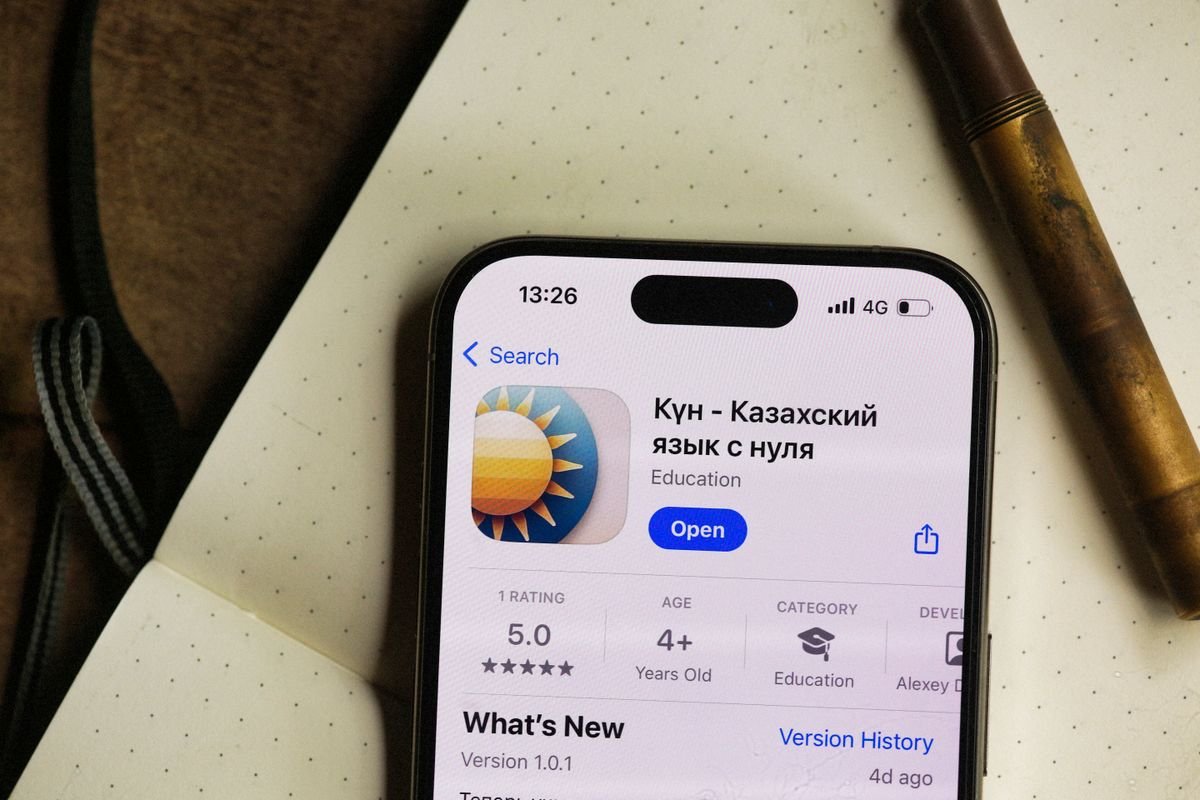
Apps are where most people start, and for good reason. They turn the hardest part — starting — into something you can do on your phone while waiting for coffee. A good app gives you a clear path: vocabulary first, then simple sentences, then grammar in context. Lessons are short, feedback is immediate, and progress feels visible. For a true beginner, that structure matters. It answers the question “what do I do today?” without you having to plan it.
The strength of apps is also their limit. Most app lessons are built around recognition: tap the right translation, match the word to the picture, fill in the blank. Recognition is easier than production, and it flatters you. You can feel fluent inside the app and then freeze in a real conversation. That’s not a failure of effort. It’s a gap in the practice. Apps build the foundation. They rarely finish the job.
Use apps for what they’re good at: daily vocabulary, basic grammar, pronunciation drills, and habit-building. Then pair them with something that forces you to produce language — speaking practice, writing, or conversation. If you’ve been using an app for months and still can’t hold a two-minute conversation, the app isn’t broken. Your practice is just one-sided.
AI Tutors and Chatbots
AI tutors are the newest part of this field, and the most interesting. A chatbot can hold a conversation at your level, correct your sentences, explain why something is wrong, and role-play situations: ordering food, a job interview, asking for directions. You can practice at midnight, make every mistake in private, and retry a sentence five times without embarrassment. For learners who are shy about speaking, that low-pressure practice is genuinely valuable.
The quality varies a lot. A good AI tutor corrects you clearly, explains the rule behind the correction, and keeps the conversation moving. A weak one nods along at everything, praises broken sentences, and lets mistakes slide. If a tutor never corrects you, it’s not helping. It’s just being polite. The same goes for writing feedback: useful feedback points to the specific error and shows you how to fix it, not just a vague “good job.”
There are limits worth knowing. AI can produce confident-sounding errors, including wrong grammar explanations. It can also sound fluent while missing cultural nuance — how people actually greet each other, what sounds rude, what sounds natural in a given setting. Treat AI as a practice partner and a first-pass checker, not as a final authority. When something matters — an exam, a job application, an important email — get a human to look at it. Our AI news coverage tracks how these tools are developing, and the pattern is consistent: AI helps most when a person stays in charge of judgment.
Video Lessons, Courses, and Tutoring Platforms
Some learners do better with a teacher. Video courses give you explanations a self-paced app often skips: why a grammar rule works, how a sound is actually produced, what trips up speakers of your first language. A good course is organized around real goals — travel, work, exams — rather than a random pile of vocabulary. The best ones mix video with exercises, quizzes, and speaking tasks, so you’re not just watching.
Live tutoring goes a step further. A human tutor can hear your accent, spot the mistakes you keep making, and push you into conversations an app can’t. Tutoring platforms make this accessible: you pick a tutor, book a session, and meet over video. It’s the fastest way to improve speaking, and the most expensive per hour. That’s the trade-off. If you’re preparing for an exam, an interview, or a move, tutoring is often worth it. If you’re casually learning for fun, a mix of app plus occasional conversation practice may be enough.
One practical tip: try a short trial lesson before committing to a package. Tutoring is personal. The right tutor for you is someone whose pace, corrections, and patience fit how you learn. A platform’s star rating tells you less than one real session does.
Flashcards, Spaced Repetition, and Immersion
Vocabulary is the unglamorous engine of language learning. You can’t speak what you can’t recall, and recall comes from repetition at the right intervals. That’s what spaced repetition systems (SRS) do. You review a card, rate how hard it was, and the system schedules the next review — soon if you struggled, later if it was easy. It’s simple, and it works. A small daily flashcard habit, even ten minutes, builds vocabulary faster than re-reading word lists.
The trick is choosing words worth learning. Frequency matters. The most common thousand words in a language cover a large share of everyday speech. Learning obscure words first is wasted effort. Good flashcard decks focus on high-frequency vocabulary and real example sentences, not isolated words. Even better: make your own cards from words you actually encountered — in a lesson, a show, a conversation. A word you met in context sticks better than one you memorized from a list.
Immersion tools fill the other half: real language, used by real people. Dual-subtitle tools let you watch shows with subtitles in two languages. Reading tools let you click a word in an article and see its meaning. Podcasts give you listening practice at your level. These tools work best once you have a base — roughly enough to follow the gist. Before that, immersion mostly produces frustration. After that, it’s how you go from textbook language to the way people actually talk.
What Works, and Where the Limits Are
It helps to be honest about what technology can and can’t do. What it does well: make daily practice easier, give instant feedback, adapt to your level, track your progress, and lower the cost of getting started. What it doesn’t do: replace speaking with real people, teach cultural nuance on its own, or make learning effortless. Anyone promising fluency in weeks is selling something, not teaching something.
A second honest point: progress is slow and uneven. You’ll have weeks where everything clicks and weeks where you feel stuck. That’s normal. Plateaus are part of learning, not a sign that your tool failed. What matters is whether your practice is balanced — some input (listening, reading), some output (speaking, writing), and regular review. If you’re only doing one of those, add the missing piece before you blame the tool.
There is also a business angle worth keeping in view. Language apps make money from subscriptions, and they’re designed to keep you coming back. Streaks, points, and leaderboards can help you stay consistent. They can also turn learning into a game you play to protect a streak rather than to get better. If you catch yourself rushing through lessons just to keep a number alive, step back. The streak is not the point. The language is.
How to Choose the Right Tool
When you’re comparing options, run through these questions before you sign up or pay.
- What is my goal — travel, work, an exam, conversation, reading? A tool built for exam prep won’t help you order dinner, and vice versa.
- What is my level — true beginner, intermediate, advanced? Beginners need structure. Intermediate learners need speaking and real content.
- How much time will I actually practice each day? Be honest. Pick a tool that fits fifteen minutes, not one that demands an hour.
- Does it make me produce language, or only recognize it? If it never makes you speak or write, plan to add that elsewhere.
- What does the first year cost in total, including subscriptions and add-ons? Free trials are useful, but check what happens when the trial ends.
- What data does it collect, and can I see and delete it? Language apps collect voice recordings, writing samples, and learning data. Check the privacy policy before you hand that over, especially for children.
If a tool can’t answer those plainly, it hasn’t earned your trust yet. The best tools answer them in the first few screens. The weakest bury them in fine print.

Common Mistakes to Avoid
The most common mistake is collecting tools instead of using one. Five apps, three flashcard decks, and two tutors is a chore, not a system. Pick one main tool, one speaking outlet, and one review habit. Use them daily for a month before you judge them. Switching tools every week feels like progress. It isn’t.
A second mistake is skipping speaking. It’s tempting to stay in the comfortable world of tapping and matching. But speaking is a separate skill, and it only grows by speaking. Start early, even if it’s just repeating sentences out loud, shadowing a podcast, or a five-minute chat with a tutor. Awkward is fine. Awkward is how it starts.
A third mistake is studying only what you already know. If every lesson feels easy, you’re reviewing, not learning. Push yourself into material where you understand roughly eighty percent and have to work for the rest. That’s the zone where growth happens. And a fourth mistake is ignoring your first language. Your native language shapes your errors — the grammar you transfer, the sounds you substitute. A tool or tutor that understands that will correct you faster than one that treats every learner the same.
If you want help thinking through options for a school, a team, or a family, our business coverage looks at how organizations judge learning platforms, and our contact page is the place to reach us.
Frequently Asked Questions
Can I learn a language with just an app?
An app can build a strong foundation — vocabulary, basic grammar, pronunciation — and keep you practicing daily. But apps mostly train recognition. To actually speak, you’ll need conversation practice, writing, or tutoring on top. Think of an app as one part of a plan, not the whole plan.
How long does it take to learn a language with ed-tech?
It depends on the language, your starting level, and how much you practice. A closely related language with daily practice comes faster than a distant one studied once a week. What matters more than the calendar is consistency: short daily sessions, balanced across listening, speaking, reading, and writing, will beat occasional long ones.
Are AI language tutors as good as human tutors?
They’re good at different things. AI tutors give you unlimited low-pressure practice, instant corrections, and availability at any hour. Human tutors catch nuance, adapt to how you learn, and push you in ways software can’t. For most learners, the best mix is AI for daily practice plus a human for conversation and feedback.
What is the best way to practice speaking online?
The fastest way is live conversation — a tutor, a language exchange partner, or a conversation group. If that’s not available, AI chatbots, shadowing podcasts, and recording yourself answering questions all help. The key is producing language out loud regularly, not just recognizing it on a screen.
Do language apps work for kids?
They can, when the content fits the child’s age and a grown-up stays involved. Short sessions, games with real language content, and speaking practice help. But apps collect children’s data, so check the privacy policy, the data retention rules, and whether the app complies with the rules that apply to your school or region. If you can’t understand the policy, that’s itself a warning sign.
Is ed-tech for language learning worth paying for?
It depends on what you get. A free tool that you use daily beats a paid one you abandon. Pay when the tool solves a real gap — speaking practice, structured lessons, exam prep — and when the total first-year cost makes sense for how much you’ll use it. Try the free version first, then decide.
Final Thoughts
Ed-tech for language learning works best when you treat it as a practice system, not a magic course. Pick one main tool that fits your goal and your daily time, add real speaking practice, review vocabulary on a schedule, and give the routine a fair trial of a few weeks. If your listening, speaking, reading, and writing are all moving — even slowly — the system is working. If only one of them is moving, fix the balance before you switch tools. For the wider context, a general guide to language learning is a useful companion to this explainer.
